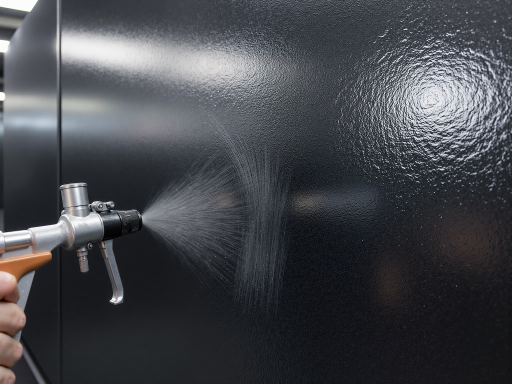
Connecting raw materials, systems, and contractors worldwide for superior polyurethane solutions
Your trusted partner in the global polyurethane industry ecosystem

Global PU Alliance is a comprehensive platform dedicated to connecting all stakeholders in the polyurethane industry. We bridge the gap between raw material suppliers, system houses, and contractors to create an efficient, transparent, and collaborative ecosystem.
To become the world's leading polyurethane industry platform, fostering innovation, quality standards, and sustainable growth across the entire value chain.
Connecting partners worldwide
Ensuring industry standards
Driving technological advances
Fostering partnerships
Comprehensive solutions for every stage of the polyurethane value chain
Streamline your procurement process by connecting directly with verified raw material suppliers and system houses.
Access expert technical guidance and formulation support from industry professionals.
Stay ahead with market insights, trend analysis, and competitive intelligence.
Connecting three core pillars of the polyurethane ecosystem
Connect with verified suppliers of polyols, isocyanates, catalysts, and additives

Partner with specialized companies offering complete polyurethane systems

Find qualified contractors and specialized equipment for polyurethane applications

Latest research, industry standards, and best practices in polyurethane technology

Understanding heat release rate measurements and their critical role in evaluating polyurethane fire performance.
Read More →
Best practices for achieving optimal mechanical properties while maintaining processing efficiency.
Read More →
Step-by-step procedures for achieving uniform thickness and optimal thermal performance.
Read More →Frequently asked questions about polyurethane industry practices and standards
The main types include rigid and flexible foams, elastomers, coatings, adhesives, sealants, and binders. Each type has specific properties and applications ranging from insulation and cushioning to automotive parts and construction materials.
Consider factors such as hydroxyl number, functionality, molecular weight, viscosity, and compatibility with other components. For flexible foams, use low OH number polyether polyols; for rigid foams, use high OH number polyols or polyesters.
The isocyanate index determines the ratio of isocyanate to polyol, affecting cross-linking density, mechanical properties, and processing characteristics. An index of 100% means stoichiometric balance; higher values increase cross-linking and rigidity.
Incorporate flame retardants, conduct proper fire testing (such as ASTM E84 or ISO 5660), ensure adequate ventilation during installation, and follow local building codes. Regular inspection and maintenance are also crucial for long-term safety.
Key factors include the amount of blowing agent, catalyst selection, temperature control, mixing ratios, and the presence of surfactants. Higher blowing agent content typically results in lower density, while increased cross-linking increases density.
Get in touch with our team for more information
Global Headquarters
International Business District
Industry Complex Building A
Global City, GC 10001
1726475322@qq.com
+86 17661212676

Scan to add us on WeChat